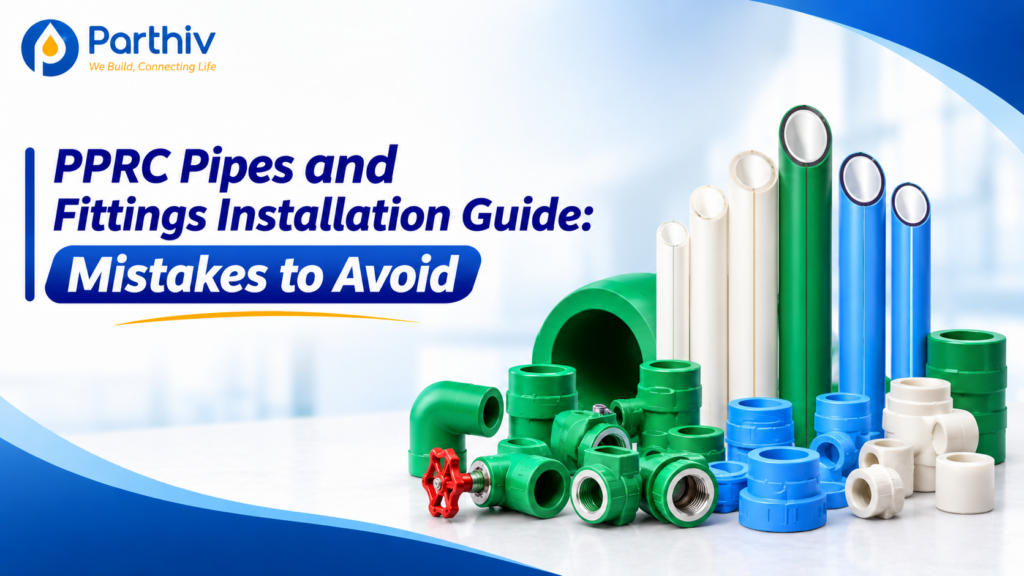
PPRC Pipes and Fittings installation might seem like a simple process, but installing each joint successfully goes beyond heating and joining the two parts. A minor slip when it comes to cutting, cleaning, heating, or cooling could ruin the overall efficiency and safety of your pipe installation. Since you wouldn’t want any installation faults or any joint that could leak to happen in your installation process, all you have to do is follow the pipe manufacturer’s instructions for fusion and avoid making mistakes in the process.
How to Install PPRC Pipes and Fittings Correctly?
PPRC pipe installation requires the use of socket heat fusion. To have reliable connections, you should start with a clean and square-cut pipe. After that, prepare the pipe according to the manufacturer’s recommendations.
In order to ensure proper fusion, measure the insertion depth beforehand. Besides, keep the pipe, fitting socket, and heating equipment clean. But most importantly, follow the recommended heating time, fusion temperature, joining method, and cooling period.
Common PPRC Installation Mistakes to Avoid
1. Improper Cutting
A poor cut can affect fusion and alignment. Thus, use the recommended tool and make a clean and square cut.
2. Drying the Components
Grease, dust, moisture, and other debris may affect the joint. Therefore, keep all surfaces clean and dry before heating.
3. Incorrect Fusion Temperature
Correct temperature control is essential. For example, GF AQUASYSTEM guidance specifies a socket-fusion temperature range of 250°C to 270°C. However, requirements can differ between systems. Therefore, always follow the manufacturer’s technical instructions.
4. Wrong Heating Time
Excess heating can deform the material. Insufficient heating cannot provide proper fusion. Always follow the specified heating time depending on the pipe size and system.
5. Ignoring Insertion Depth
Improper insertion depth can affect fusion. Therefore, do not push the pipe too far or not far enough. Instead:
- Measure the correct insertion depth.
- Heat the components evenly.
- Join them to the measured depth.
- Make sure the joint is aligned.
6. Twisting the Joint
Twist the components only if the manufacturer allows it explicitly. Otherwise, align the joint before joining.
7. Moving the Joint During the Cooling Period
Freshly fused PPRC Pipes and Fittings need adequate cooling time. Therefore, do not stress, load, bend, or move the joint before the manufacturer-specified period.
Get Every PPRC Connection Right
Successful PPRC installation requires proper preparation and heating. Clean cuts, proper insertion depth, proper heating, precise alignment, and sufficient cooling can help avoid installation failures.
For reliable piping systems, contact Parthiv Poly. Select suitable PPRC piping products and ensure each installation.
FAQs:
1) What temperature is required for PPRC fusion?
The fusion temperature varies according to the specific system. Therefore, always follow the pipe manufacturer’s recommended temperature range.
2) Why should PPRC pipes be cleaned before fusion?
Properly prepared surfaces help avoid interference of dirt, grease, moisture, or debris with proper fusion.
3) Can PPRC joints be moved immediately after fusion?
No. Allow the joint to cool for the manufacturer-specified period before applying stress or load.